
Mining & Trade News
Malawi Online News
Top Stories
Mining
REPORT EXPOSES KAYELEKERA URANIUM MINE WATER MANAGEMENT FLAWS
April 06, 2026 / Marcel Chimwala
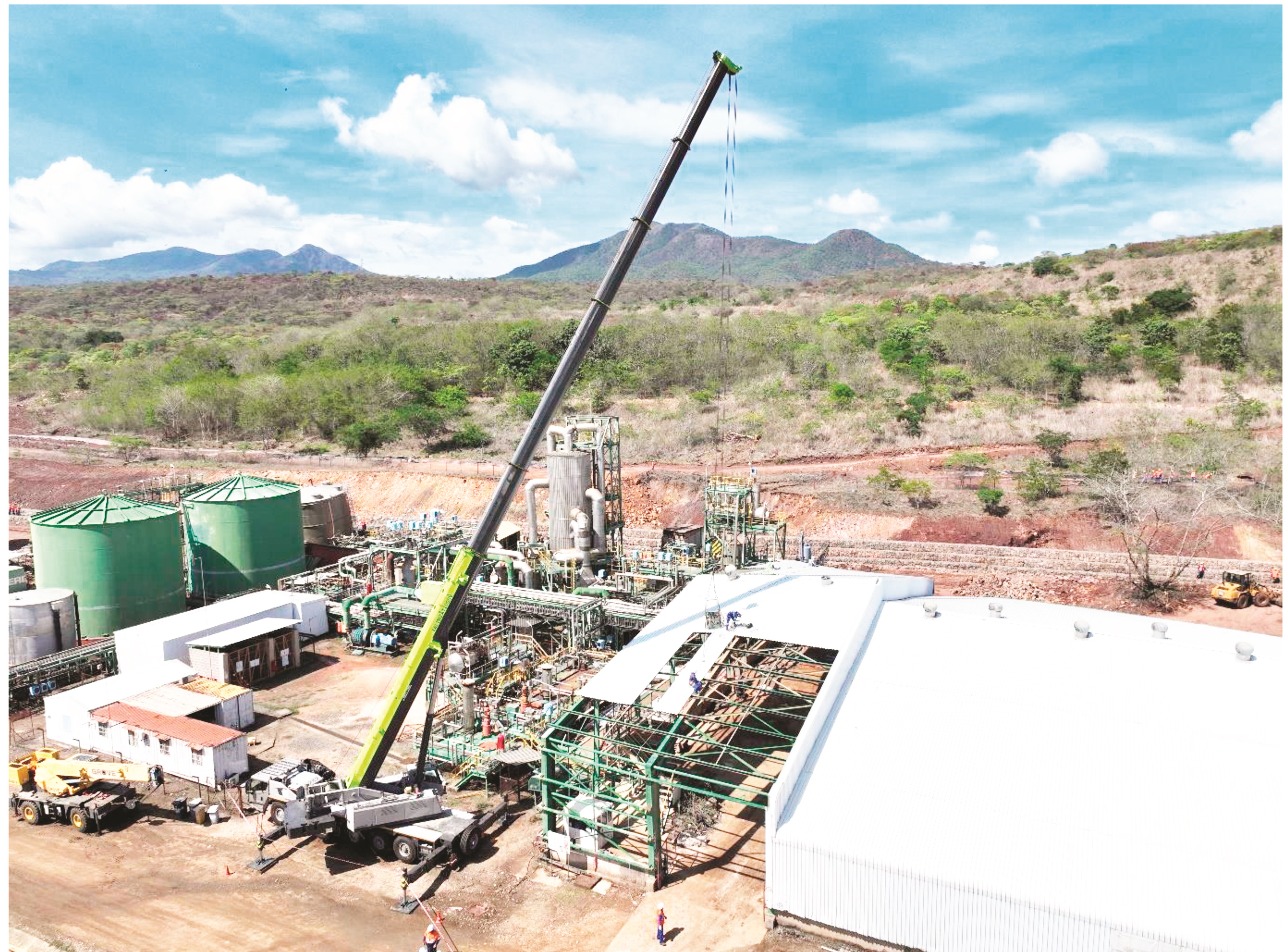
Lotus Africa, which operates the Kayelekera Uranium Mine in Karonga, says its established water supply and treatment systems and routine water quality monitoring processes are continually being improved, and the health and safety of its employees, the community and environment remain its absolute priority.
Lotus MD Greg Bittar says this in response to a Karonga District Council Water Quality Audit report which has identified gaps in water quality testing, water safety monitoring practices, certification of the water treatment system, and integration of disease surveillance at Kayelekera Uranium Mine.
The report says that mine management should, within seven days, improve the water supply system to meet Malawi’s recommended minimum drinking water standards, which must be verified through microbial water quality testing by an independent accredited laboratory.
The mine currently operates a piped water supply system, abstracting raw water from the Mswanga river, which is conveyed to a water treatment plant. The treatment process includes sedimentation ponds, tanks and clarifiers intended to reduce turbidity, optimize chemical and energy use, and prepare water for disinfection.
Although a complete water treatment system is in place at the mine camp, the report’s key observations include that chlorine dosing appeared to be inadequate or absent, as no chlorine containers or evidence of active chlorination were observed at the treatment plant.
It states that water quality testing is conducted at the mine; however, several critical gaps were identified including that tested parameters included pH, uranium, turbidity, and residual chlorine, but not all recommended parameters were consistently tested.
The report reads: “No microbial (bacteriological) water quality test results were available for Audit. However, Microbiological drinking water quality monitoring (Fecal Coliform, Fecal Streptococci, E.coli and Total coliform types of bacteria and others) is one of the mandatory parameters according to Malawi Standards for drinking water specifications.”
“Review of test results indicated turbidity levels consistently above the recommended limit of 5 Nephelometric Turbidity Units (NTU) for treated drinking water according to Malawi Standards for Drinking Water Specifications (MS214:2013).”
“No residual free chlorine (FRC) was detected in the daily water quality records reviewed. This is outside the acceptable range of 0.20–0.50 mg/L as stipulated in MS214:2013. Historical monitoring data further revealed that FRC levels were consistently zero at all sampling points, indicating that chlorination is either ineffective or not routinely practiced.”
“Uranium exposure through drinking water was identified as a concern. Two samples collected between 17 and 22 February 2026 recorded uranium concentrations of 43 ppb and 35 ppb, exceeding the Malawi standard limit of 30 ppb. Prolonged exposure at these levels may pose long-term health risks to workers.”
The report says although some water safety measures are in place, the following gaps were identified: A comprehensive Water Safety Plan (WSP) was unavailable and there were no documented schedules for routine maintenance of water treatment infrastructure and there was limited evidence of systematic risk assessment and control measures across the entire water supply chain, from abstraction to point of use.
It cites the other gaps as limited technical capacity to conduct comprehensive water quality testing, particularly microbial analysis; and that routine monitoring focuses primarily on physical and chemical parameters, with no inclusion of microbial water quality testing.
“No documentary evidence was provided to confirm certification or approval of the water treatment system by the Ministry of Water or other relevant authorities for human consumption,” the report reads. The disease surveillance system at the mine was reviewed, with a focus on diarrhoeal diseases and the report came up with the following findings; health records confirmed reported cases of diarrhoea among workers. And medical registers documented 28 cases of gastroenteritis during January and February 2026.
“Approximately 80% of the workforce comprises non-resident workers operating under a MASM arrangement. As a result, gastroenteritis data for non-resident workers could not be established, limiting the ability to determine the true burden of diarrhoeal diseases among the entire workforce,” the report reads.
But Bittar points out in his response that the World Health Organization (WHO) indicates a provisional guideline value of 30 micrograms per litre (30ppb) U in potable water, but also provides for a tolerable daily intake of 60ppb (World Health Organization Guidelines for Drinking-Water Quality 2022).
Bittar says: “The uranium exposure identified on the two February dates highlighted in the Preliminary Correspondence were 43ppb and 35 ppb. We note that in the last 3 weeks, uranium levels have been below 20ppb.”
“Bottled drinking water is and will continue to be provided to all site personnel until further notice.”
He says increased chlorine dosing has been adopted and routine monitoring implemented for physical and chemical parameters, as well as microbial testing. In addition, Lotus is assessing further improvements for water quality management, including the installation of ultraviolet treatment.
“Additional improvement steps will identify opportunities to strengthen our engineering standards and practices, and to provide practical recommendations in relation to any potential operational issues.” says Bittar.
Lotus supports workers through the provision of international standard medical care and on-site medical facilities.
Share this:
Leave a Comment
Comments
Mining & Trade Review News

Agribusiness News

Subscribe to Newsletter
Rehabilitation:
The establishment of a stable and self-sustaining ecosystem, but not necessarily the one that existed before mining began. In many cases, complete restoration may be impossible, but successful remediation, reclamation, and rehabilitation can result in the timely establishment of a functional ecosystem.
Archives
Remediation:
The cleanup of the contaminated area to safe levels by removing or isolating contaminants. At mine sites, remediation often consists of isolating contaminated material in pre-existing tailings storage facilities, capping tailings and waste rock stockpiles with clean topsoil, and collecting and treating any contaminated mine water if necessary.
Stackholders Logos


